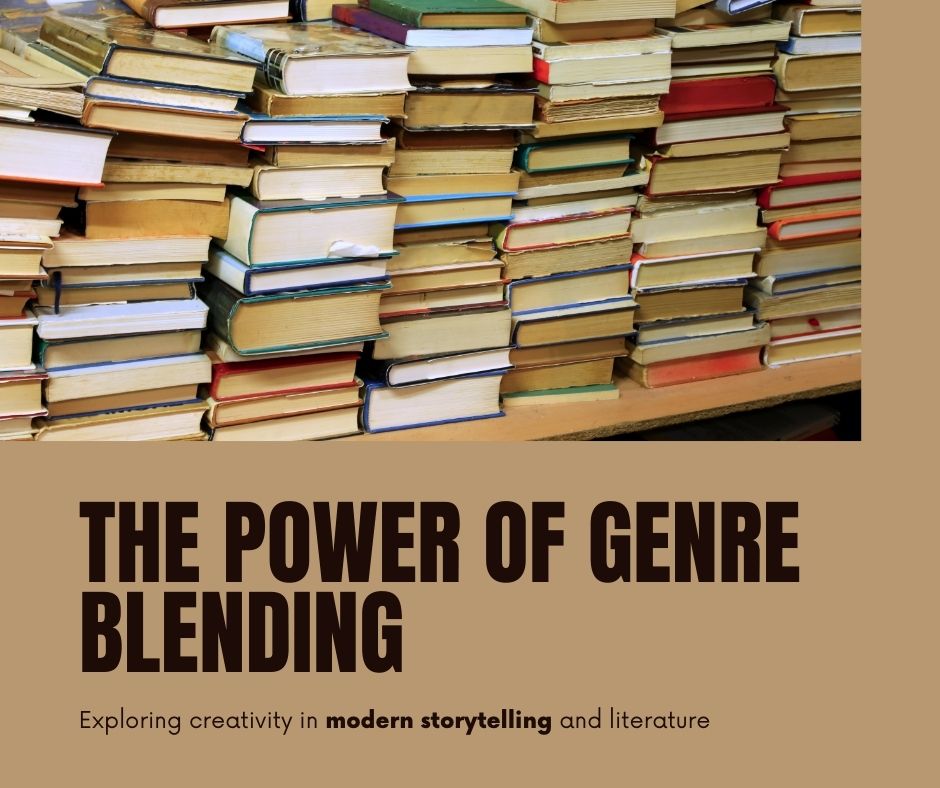
In today’s literary landscape, indie authors are breaking the traditional boundaries of genre, creating innovative narratives through the practice of genre blending. By merging elements from different genres—such as romance, fantasy, and historical fiction—these writers are crafting unique stories that resonate with a diverse audience. This article explores how genre blending is shaping the work of indie authors and the impact it has on readers.
Expanding Creative Horizons
Genre blending allows indie authors to expand their creative horizons and explore themes that may not fit neatly within a single category. For instance, an author might weave together the magical elements of fantasy with the emotional depth of romance, creating a tale that captivates fans of both genres. This approach invites readers to experience familiar tropes in new and exciting ways, offering fresh perspectives on age-old themes.
A notable example is the rise of paranormal romance, where elements of fantasy, such as vampires or werewolves, intersect with romantic storylines. Indie authors like K.A. Tucker and Talia Hibbert have successfully embraced this blending, captivating readers who enjoy both genres. By incorporating fantasy elements, these authors enhance the stakes of romantic relationships, making their stories more dynamic and engaging.
Challenging Traditional Narratives
Indie authors are also using genre blending to challenge traditional narratives and explore complex social issues. For instance, blending historical fiction with speculative elements can create powerful commentaries on race, gender, and identity. By reimagining historical events through a fantastical lens, authors can highlight the struggles and triumphs of marginalized communities, offering readers a deeper understanding of societal dynamics.
Books like “The Water Dancer” by Ta-Nehisi Coates exemplify this trend. Coates masterfully blends historical fiction with elements of magical realism, exploring the history of slavery in America while infusing the narrative with supernatural aspects. This genre-blending approach not only enhances the storytelling but also provides a platform for discussing important social issues.
Connecting with Diverse Audiences
Genre blending also allows indie authors to connect with a broader range of readers. By appealing to fans of multiple genres, authors can cultivate diverse audiences and foster a sense of community around their work. Readers who might not typically pick up a historical romance may find themselves drawn to a story that incorporates elements of fantasy, leading to new reading experiences and discoveries.
This blending of genres is particularly appealing to younger audiences who often seek diverse narratives. As tastes evolve, readers are increasingly looking for stories that reflect their multifaceted identities and interests. Indie authors, often more willing to experiment, are perfectly positioned to meet this demand, creating literature that is both inclusive and representative.
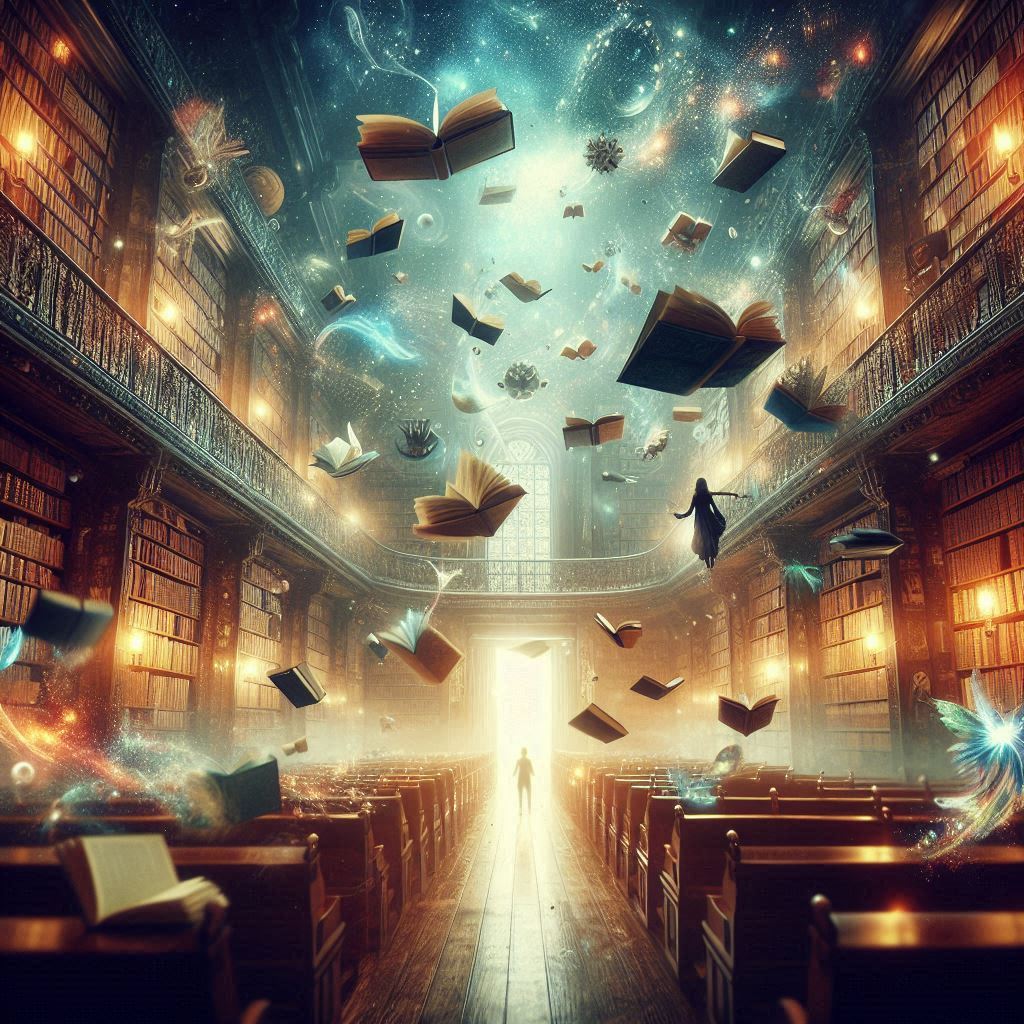
In conclusion, genre-blending is a powerful tool for indie authors, allowing them to experiment with storytelling and push the boundaries of traditional narratives. By combining elements from various genres, these writers can create unique and engaging stories that resonate with diverse audiences. As the literary landscape continues to evolve, the impact of genre blending will undoubtedly play a significant role in shaping the future of literature, enriching the reading experience and expanding the horizons of storytelling. Through their creativity and innovation, indie authors are redefining what it means to be a storyteller in today’s world.