

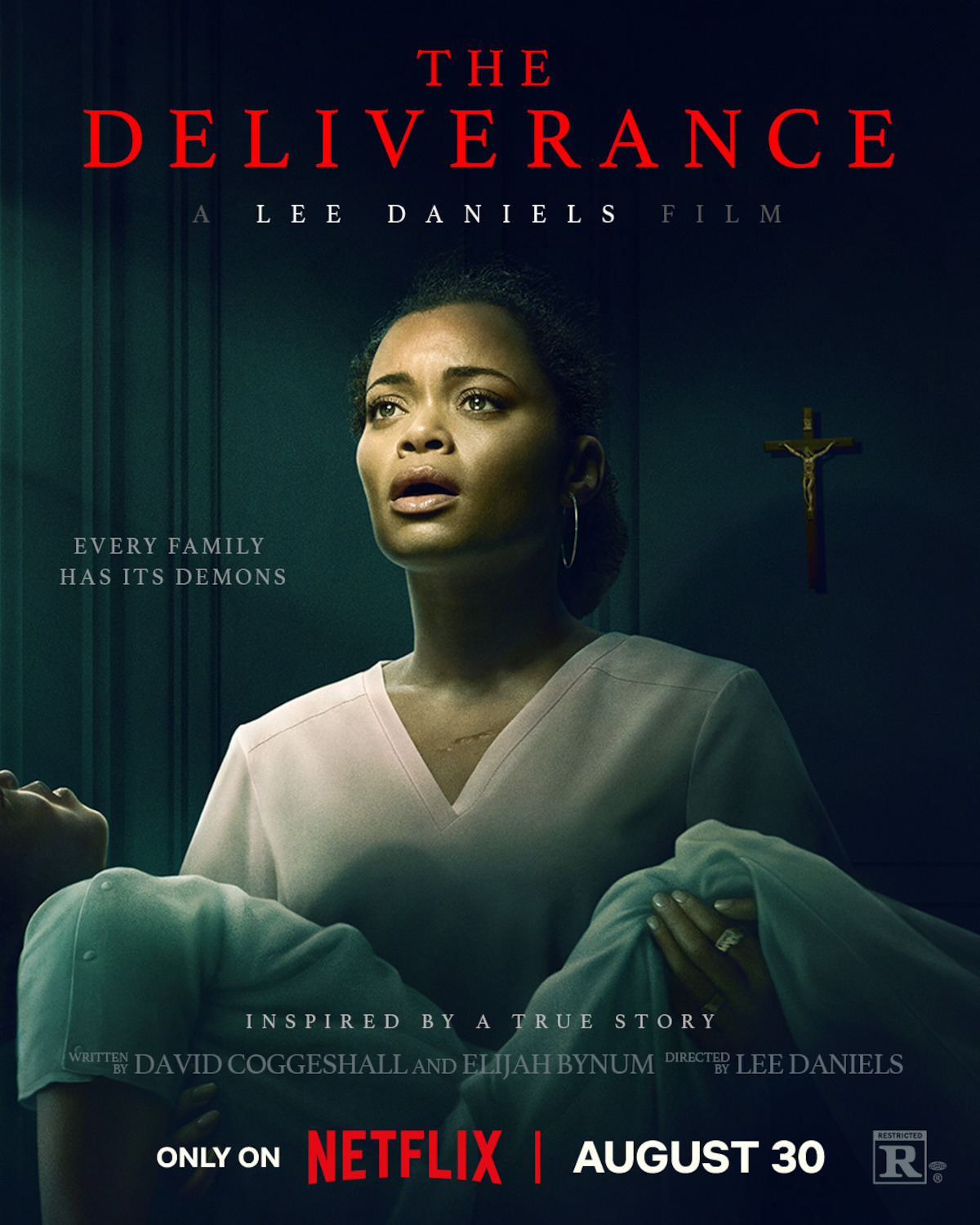
Lee Daniels, acclaimed for his profound portrayals of human suffering in his films, steps into the horror genre with The Deliverance. While this Netflix film marks Daniels’ first foray into outright horror, it reveals itself to be more at home within the realm of family melodrama than in its supernatural plot. Despite its ambitious attempt to tackle themes of Black trauma and systemic racism, the film’s execution leaves a bit to be desired.
Set in Pittsburgh in 2011 and inspired by the true story of Latoya Ammons, The Deliverance takes its time to delve into its supernatural elements. Instead, it primarily focuses on the Jackson family’s real-life struggles. Mother Ebony is battling alcoholism, a contentious custody battle initiated by her estranged husband, and the challenges of raising her children—Andre, Shante, and Nate. The narrative also highlights Ebony’s strained relationship with her ailing mother, Alberta, who has recently moved in while undergoing chemotherapy.
While the film addresses systemic racism within the child protective services system—a theme both relevant and critical—it occasionally gets overshadowed by Ebony’s own abusive behavior. An early scene where Ebony strikes her son complicates the film’s critique of systemic racism, somewhat undermining its intended message.
Daniels, known for his fearless storytelling, does not shy away from portraying the grim realities of his characters’ lives. However, The Deliverance struggles to balance its horror elements with its social commentary. The supernatural aspects, such as the ever-present flies and eerie occurrences, are overshadowed by the more mundane and troubling aspects of the characters’ lives. This results in a film that feels more uncomfortable than genuinely unsettling.
The screenplay by David Coggeshall and Elijah Bynum, while ambitious, sometimes feels repetitive and lacks the nuance needed to fully engage its talented cast. Despite the presence of acclaimed actresses, their performances are constrained by a script that doesn’t allow their characters to develop beyond their most superficial traits.
The Deliverance is a grim and ambitious film that succeeds more as a family drama than as a horror movie. While it explores important themes of Black trauma and systemic racism, the film’s uneven execution and reliance on grim spectacle over genuine horror leave it feeling like a missed opportunity. Despite its flaws, the film is worth watching for its thought-provoking themes and the performances of its stellar cast, earning a solid four stars for its bold but flawed attempt at blending horror with social commentary.

