

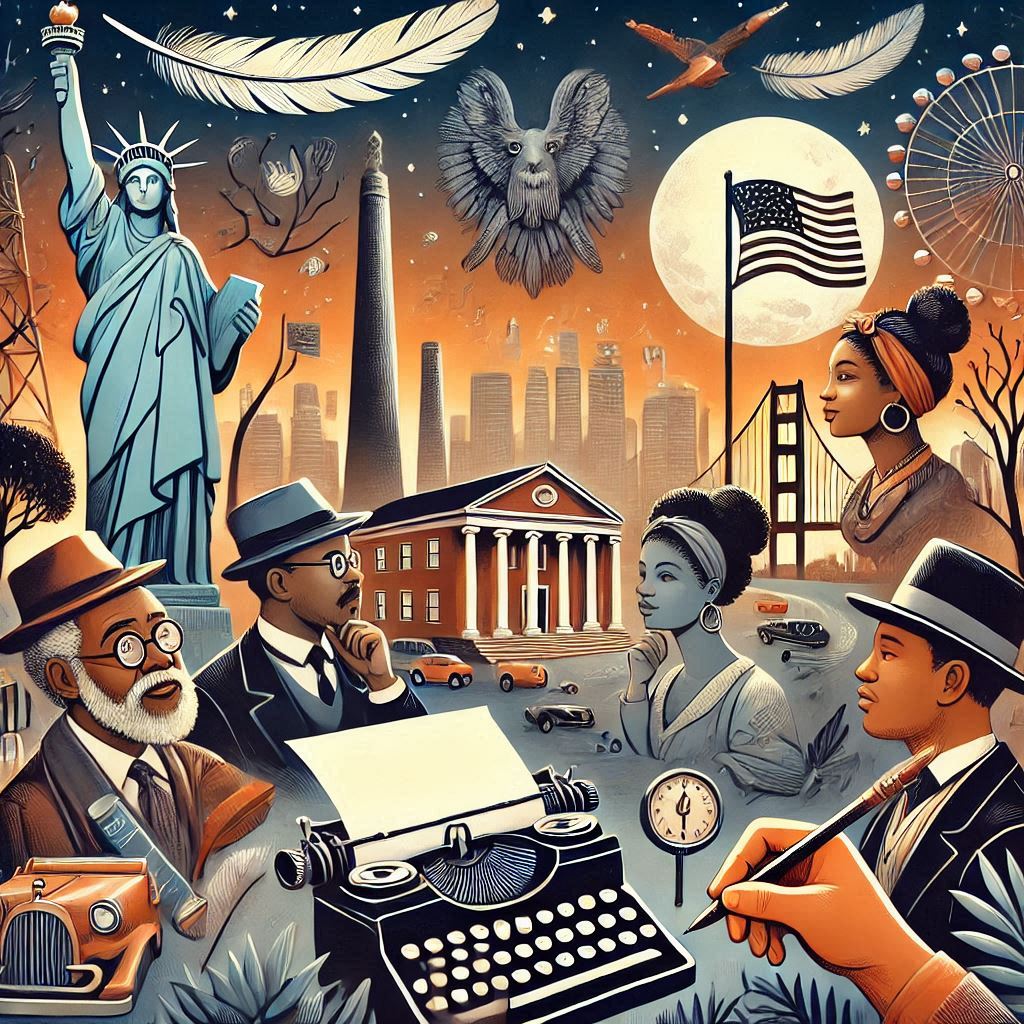
Black History Month is a time to reflect on the rich history, cultural contributions, and social progress made by Black individuals throughout history. It’s a month to honor the achievements, resilience, and strength of communities that have often been marginalized or overlooked. As writers, there are valuable lessons to be learned from Black history that can shape our craft, perspective, and impact. Here are five key lessons that writers can take from Black History Month.
- The Power of Storytelling in Shaping Identity
Throughout history, Black writers have used storytelling to preserve culture, express identity, and shed light on societal struggles. From the works of Zora Neale Hurston to the poetry of Langston Hughes, Black authors have utilized their voices to shape narratives that highlight the complexities of race, identity, and belonging.
As writers, we can learn the importance of owning our own narrative and the power of storytelling in shaping how we see ourselves and the world. Whether we are writing fiction, memoir, or essays, understanding the role of storytelling in connecting us to our culture and history can lead to more authentic and impactful writing. Writers should not shy away from their truth and the stories that have shaped their lives. - The Strength of Resilience
Black history is filled with tales of resilience—overcoming adversity, fighting systemic oppression, and building legacies of empowerment. Writers can draw inspiration from this resilience when facing challenges in their own writing journeys. Whether it’s battling writer’s block, self-doubt, or external obstacles like rejection, the stories of perseverance and triumph over adversity in Black history can provide motivation and strength.
Writers can embrace resilience by continuing to write, even when things are difficult. It’s important to understand that setbacks are part of the journey, and the stories of people like Maya Angelou, who overcame personal trauma to become an iconic voice, show us that resilience is key to growth and success. - Embrace the Importance of Community and Collaboration
Many of the most significant movements in Black history were driven by community and collective action. Writers can take inspiration from the ways in which Black artists, musicians, writers, and activists have come together to support each other and create lasting change.
Writers don’t have to go it alone. Collaboration, sharing work, and supporting others in the writing community can lead to creative growth and expanded opportunities. Just as the Harlem Renaissance was a time of artistic flourishing due to the collaboration of Black artists, writers today can benefit from community-building, sharing feedback, and supporting other writers in the pursuit of their goals. - The Importance of Speaking Truth to Power
Many Black writers and activists have used their work to challenge the status quo and speak out against social injustices. Whether through poetry, literature, or speeches, figures like James Baldwin, Toni Morrison, and Audre Lorde addressed issues of racism, inequality, and oppression through their writing.
As writers, we can be inspired by the courage of these literary giants to speak truth to power in our own work. Writing can be a tool for activism, and when used thoughtfully, it has the power to raise awareness and inspire change. Whether it’s tackling social issues in your writing or simply sharing personal stories that challenge the dominant narrative, embracing the role of truth-teller is a powerful way to create lasting impact. - The Value of Representation
Black History Month also highlights the significance of representation in literature and media. The works of Black authors provide necessary representation, showing the world that diverse voices matter. Writers of all backgrounds can learn from this emphasis on representation, ensuring that their writing reflects a variety of experiences and perspectives.
It’s crucial for writers to recognize the value of representation in their own work. Whether you’re writing characters of different ethnicities, gender identities, or socioeconomic backgrounds, representation is important for creating more inclusive and diverse stories. By embracing a broad range of characters, themes, and voices, writers can contribute to a more equitable and inclusive literary landscape. - Black History Month is not only a time for honoring the past but also a call to action for the future. Writers can learn valuable lessons from the resilience, storytelling traditions, and advocacy in Black history. By incorporating these lessons into our own writing practices, we can create work that is more meaningful, impactful, and representative of the diverse world we live in.
- What lessons from Black History Month inspire you as a writer? How can you incorporate these into your own creative journey?

