

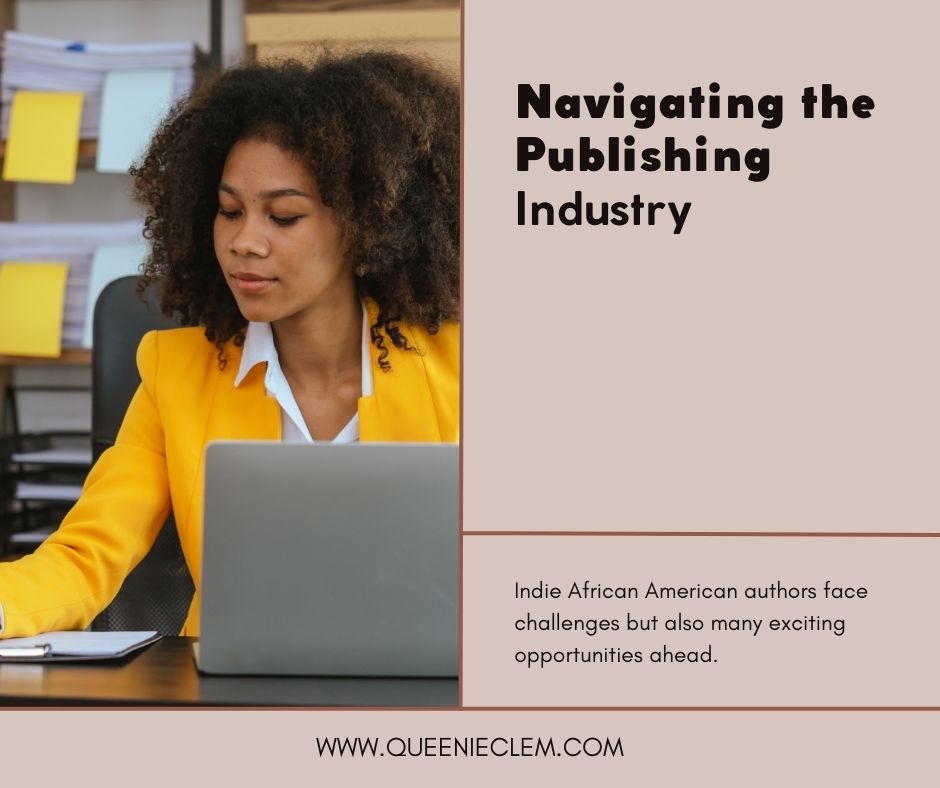
In recent years, the literary landscape has evolved significantly, yet indie African American authors still navigate a complex terrain filled with both challenges and opportunities. While self-publishing offers newfound freedom, the traditional publishing industry poses significant hurdles that can be daunting.
Challenges in Traditional Publishing
The traditional publishing route is often viewed as the gold standard for authors seeking validation and broader distribution. However, indie African American authors frequently encounter barriers, such as racial biases and a lack of representation among decision-makers. Many traditional publishers still struggle with inclusivity, often prioritizing established authors over new voices. This can lead to missed opportunities for talented writers who bring unique perspectives and stories.
Moreover, the submission process can be intimidating. Writers must craft polished query letters and proposals, often facing rejection before receiving any positive feedback. For many indie authors, the traditional publishing route can feel like an uphill battle, discouraging them from pursuing their literary ambitions.
Opportunities in Self-Publishing
On the other hand, self-publishing has emerged as a game-changer for indie African American authors. Platforms like Amazon Kindle Direct Publishing and IngramSpark allow writers to bypass traditional gatekeepers and take control of their publishing journeys. This autonomy enables authors to tell their stories authentically and without censorship, resonating with readers who seek diverse voices.
Self-publishing also opens up opportunities for innovative marketing strategies. Authors can build their brands through social media, engaging directly with their readers and cultivating a loyal fan base. This personal connection fosters a sense of community, which is essential for indie authors looking to establish their presence in a competitive market.
Balancing Both Worlds
Many successful indie African American authors today are navigating a hybrid approach, utilizing both traditional and self-publishing methods. They might choose to self-publish their initial works to gain traction and build an audience, then pursue traditional publishing for later projects. This strategy allows authors to leverage the strengths of both avenues while mitigating the challenges.
In conclusion, while indie African American authors face significant challenges within the traditional publishing industry, the rise of self-publishing presents exciting opportunities for creative expression and connection with readers. By embracing both routes, these authors can carve out their unique paths in the literary world, enriching the landscape with their diverse stories.

