

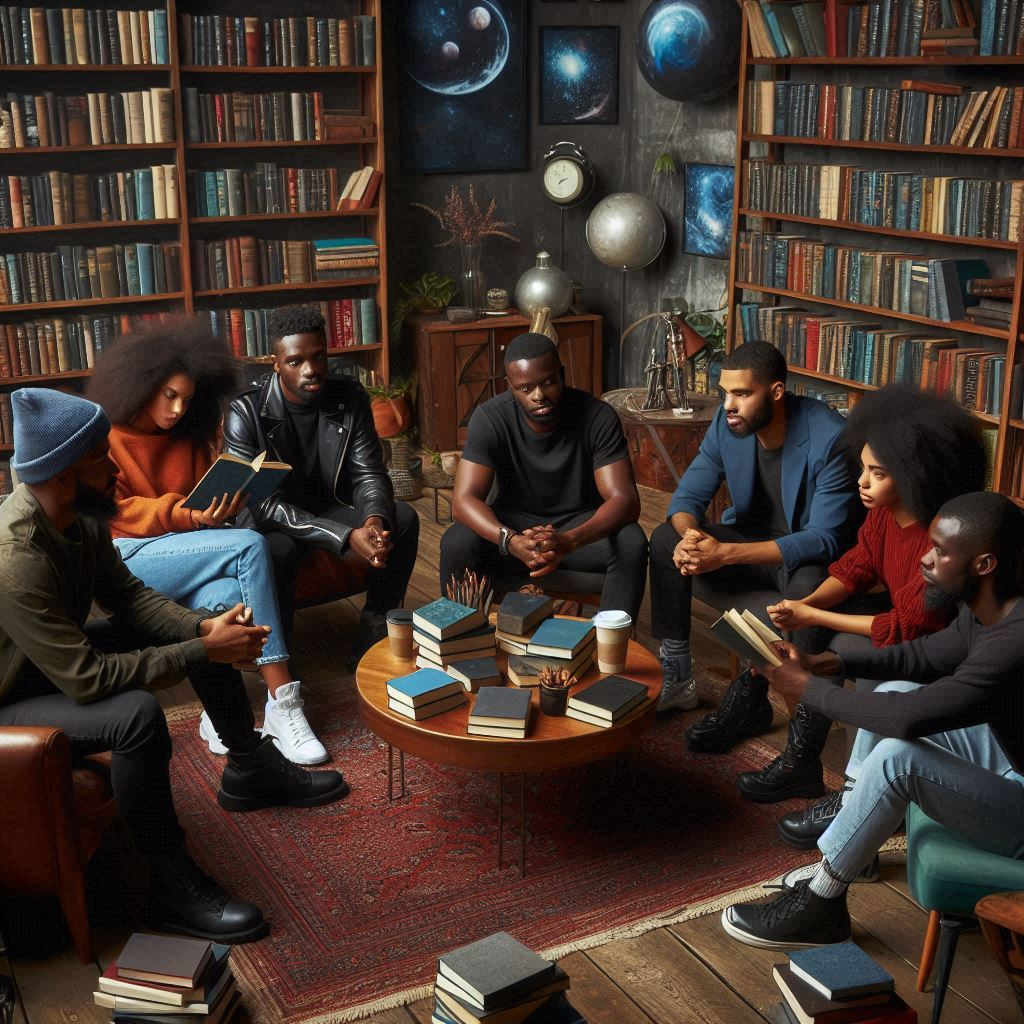
Black speculative fiction is on the rise, capturing the imaginations of readers worldwide. Historically, fantasy, science fiction, and horror genres were dominated by narratives that often sidelined Black characters and perspectives. However, in recent years, Black authors have carved out a space to tell their stories, expanding the genre’s boundaries and reflecting diverse experiences.
Authors like N.K. Jemisin, the first to win three consecutive Hugo Awards for her Broken Earth trilogy, and Tomi Adeyemi, whose Children of Blood and Bone reimagines West African mythology, are leading the charge. These works blend rich cultural histories with magical realism, exploring themes of identity, power, and resilience.
A major trend is the use of speculative fiction to address social issues. Books like The Deep by Rivers Solomon and Parable of the Sower by Octavia Butler tackle topics such as environmental crisis, generational trauma, and systemic oppression. By intertwining real-world challenges with imaginative worlds, these authors push readers to confront difficult truths through a new lens.
This rise in Black speculative fiction not only elevates new voices but redefines the genre, showing that Black stories belong in every realm of fiction, even the most fantastical ones.
BookTok and Beyond: How Social Media is Changing the Book Landscape
Social media has revolutionized book promotion, with platforms like TikTok, Instagram, and YouTube becoming key players in reshaping the way readers discover books. For indie authors, this shift offers immense opportunities to reach audiences and create viral moments, often with little to no cost.
One of the biggest drivers of this change is BookTok, a community of readers on TikTok where users share book recommendations, reactions, and reviews. The impact of BookTok is undeniable; titles can go from relative obscurity to bestsellers in a matter of days. Viral trends, such as emotional reactions to plot twists or “book aesthetic” videos, have pushed books like The Song of Achilles by Madeline Miller and They Both Die at the End by Adam Silvera to the top of the charts. Indie authors can leverage BookTok by engaging authentically with trending challenges, creating short, engaging clips about their writing process, or reacting to reader reviews.
Instagram remains a powerhouse for book promotion, with its aesthetic-driven nature perfect for visually showcasing book covers, quotes, and reading experiences. Authors can capitalize on this by collaborating with Bookstagrammers, running giveaways, and creating “behind-the-scenes” reels. Additionally, live sessions on Instagram offer a chance to connect with readers, conduct Q&As, and build loyal fan bases.
YouTube is another platform where the book community thrives. BookTube channels run by influencers reviewing books, doing reading challenges, or sharing “monthly wrap-ups” continue to sway reader decisions. Indie authors can explore YouTube by creating content around their inspirations, offering writing advice, or collaborating with BookTubers for cross-promotion.
To successfully navigate these platforms, authenticity is key. Social media audiences value genuine connections and transparency over hard-selling tactics. By sharing their stories, engaging with readers, and showcasing their creative processes, indie authors can create strong connections and leverage social media’s vast reach to achieve greater visibility and success in the ever-evolving book landscape.

