

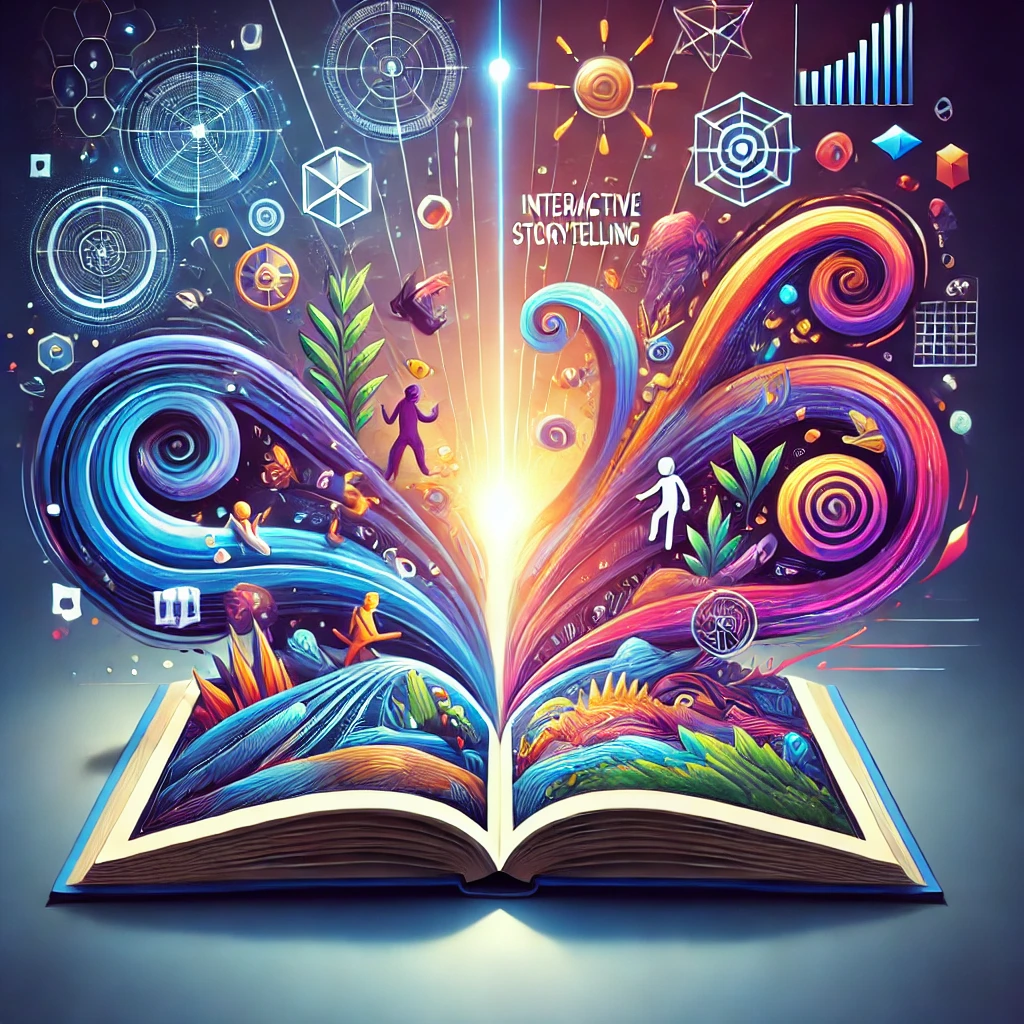
The future of fiction is being rewritten—literally—by readers themselves. Interactive storytelling is transforming the way audiences experience stories, allowing readers to influence plotlines, character decisions, and even endings. No longer just passive consumers, readers are becoming active participants in shaping narratives through platforms like Kindle Vella and serialized fiction apps.
What is Interactive Fiction?
Interactive fiction blends traditional storytelling with reader input, creating a dynamic, immersive experience. Platforms like Kindle Vella and mobile apps such as Radish, Wattpad, and Choices provide serialized fiction, where chapters are released gradually, often accompanied by opportunities for readers to vote on crucial decisions or suggest story directions.
The Power of Reader Influence
With Kindle Vella, readers can unlock episodes using tokens, and authors often include “Author’s Notes” or polls at the end of chapters, inviting feedback or letting readers decide what happens next. This feedback loop gives authors immediate insights into what resonates with their audience. For instance, if a character’s fate hangs in the balance, the author might let readers vote, creating a sense of ownership and investment in the story’s outcome.
Serialized fiction apps go a step further, offering interactive storytelling experiences where readers’ choices directly influence the plot. They allow readers to choose how characters respond, impacting the story’s trajectory. These apps also offer a more personalized reading experience, enabling readers to feel connected to the characters and invested in the narrative.
Why Interactive Fiction Matters
Interactive storytelling is not just a passing trend—it’s reshaping fiction. Authors gain loyal readers by actively engaging their audience, while readers experience a deeper connection to the story. This collaborative process between authors and readers breaks traditional storytelling norms and creates a fresh, engaging experience.
In this evolving literary landscape, one thing is clear: the future of fiction is no longer just in the hands of the writer—it belongs to the readers as well.

